
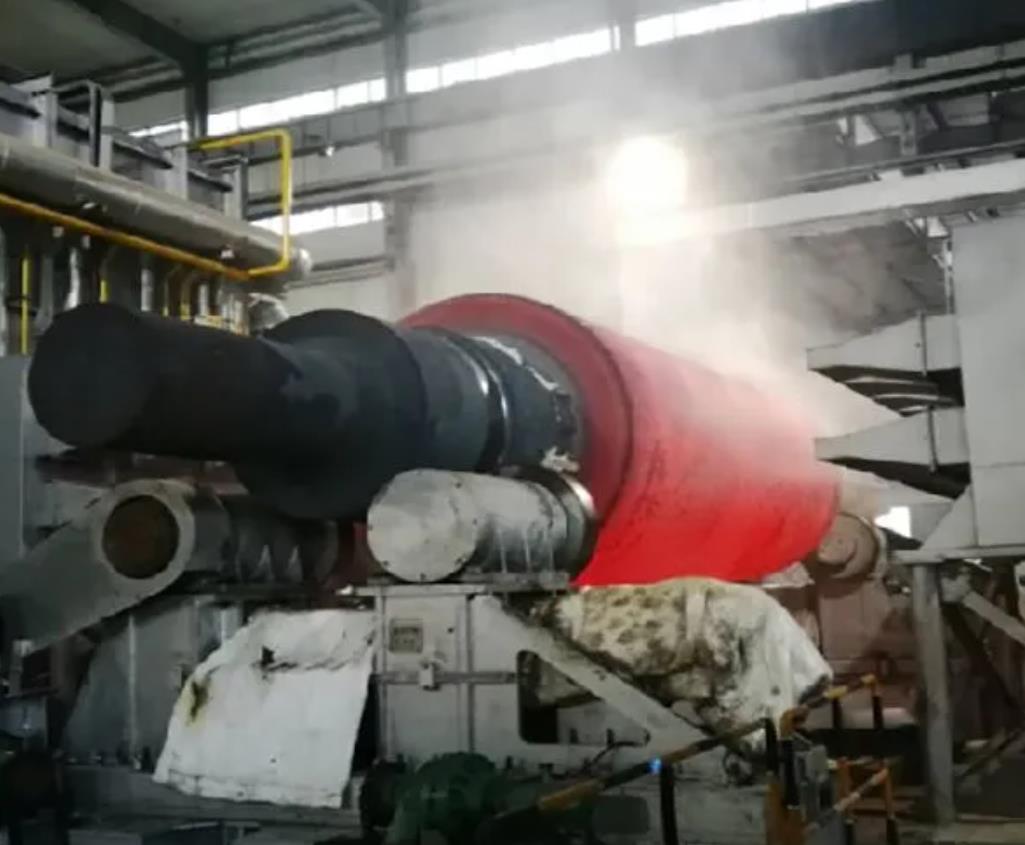
The selection and procurement of rolling mill rolls are critical decisions that directly impact production efficiency, product quality, and operational costs. As the primary tooling that comes into direct contact with the workpiece, the performance of a mill roll dictates the final dimensions, surface finish, and integrity of rolled products like steel plates, strips, and sections. This comprehensive guide provides detailed notes for purchasing high-performance rolling mill rolls, ensuring you make an informed investment.
Step 1: Identify Your Core Needs and Roll Type
The first step is to precisely define the operational context. The type of roll you need is determined by the rolling process, the material being rolled, and the desired final product.
Classification by Rolling Process: Hot vs. Cold Mill Rolls
- Hot Rolling Mill Rolls: These rolls operate in extreme environments, processing metal billets at temperatures often exceeding 900°C (1650°F). They must possess exceptional thermal fatigue resistance, wear resistance at high temperatures, and toughness to withstand the immense thermal and mechanical shocks. Materials like nodular cast iron, high-chromium steel, and special forged alloys are common for hot mill rolls.
- Cold Rolling Mill Rolls: Used for rolling metal at or near room temperature, cold mill rolls demand superior surface quality, extreme hardness, and high dimensional accuracy to produce thin, precise products with excellent finishes. They are typically made from high-carbon, high-chromium forged steels (like D2 tool steel), high-speed steel (HSS), or even tungsten carbide (WC) for finishing stands requiring exceptional wear resistance.
Classification by Function: Work Rolls vs. Backup Rolls
- Work Rolls: These are the rolls in direct contact with the metal being rolled. Their quality directly determines the product’s surface finish and dimensional accuracy. They are typically smaller in diameter and require high hardness and wear resistance.
- Backup Rolls: Larger in diameter, these rolls provide rigid support to the work rolls, preventing them from bending or deflecting under the immense rolling pressure. Backup roll material prioritizes strength, stiffness, and resistance to fatigue over surface hardness. Forged steel is a common choice for backup rolls.
Classification by Shape
The shape of the roll barrel is tailored to the product being manufactured.
- Flat Rolls: Used for rolling flat products like plates, sheets, and strips.
- Grooved Rolls: Feature precisely machined grooves (passes) to form profiles such as I-beams, angles, channels, and rails. The rolling mill roll pass design is a highly specialized engineering discipline.
- Special-Shaped Rolls: Custom-designed for specific applications, such as the conical rolls used in piercing mills for seamless tube production.
Step 2: Define Critical Specifications and Material
Once the type is identified, you must define the technical specifications with precision. Ambiguity here can lead to costly errors.
Dimensions and Hardness
Key dimensional parameters include the roll body diameter, body length, and the dimensions of the roll necks/journals. Hardness is a crucial parameter that dictates wear resistance and compressive strength. It is typically specified in Rockwell C (HRC) or Shore C/D scales.
| Roll Type | Typical Application | Typical Hardness (Shore C) | Typical Hardness (HRC) |
|---|---|---|---|
| Hot Work Roll (Roughing) | Initial breakdown of slabs/billets | 60 – 75 HSC | 40 – 55 HRC |
| Cold Work Roll | Finishing stands for high-precision strip | 90 – 100 HSC | 62 – 68 HRC |
| Backup Roll | Supporting work rolls in 4-Hi/6-Hi mills | 65 – 80 HSC | 45 – 58 HRC |
| Tungsten Carbide Roll Ring | High-speed wire rod finishing blocks | > 85 HRA (equivalent) | > 70 HRC (equivalent) |
Rolling Mill Rolls Material Selection
The choice of rolling mill rolls material is perhaps the most significant factor influencing performance and lifespan.
| Material | Key Characteristics | Typical Application |
|---|---|---|
| Forged Steel (e.g., 3% Cr, 5% Cr) | High toughness, good wear resistance, deep hardness penetration, excellent resistance to breakage. | Cold mill work rolls, hot mill work rolls, backup rolls. |
| High-Speed Steel (HSS) | Exceptional wear resistance and red hardness (maintains hardness at high temps). Often used as a shell on a tougher core. | Hot strip mill early finishing stands, some cold mill applications. |
| Tungsten Carbide (WC) | Extreme hardness and wear resistance, superior surface finish. More brittle than steel. | Finishing blocks for wire rod mills, some cold rolling applications for ultra-thin foil. |
| Adamite / High-Cr Steel | Good balance of wear resistance and toughness, good bite characteristics. | Roughing and intermediate stands for section and bar mills. |
Step 3: Scrutinize Quality Requirements
High-quality rolls must meet stringent standards for both surface and internal integrity.
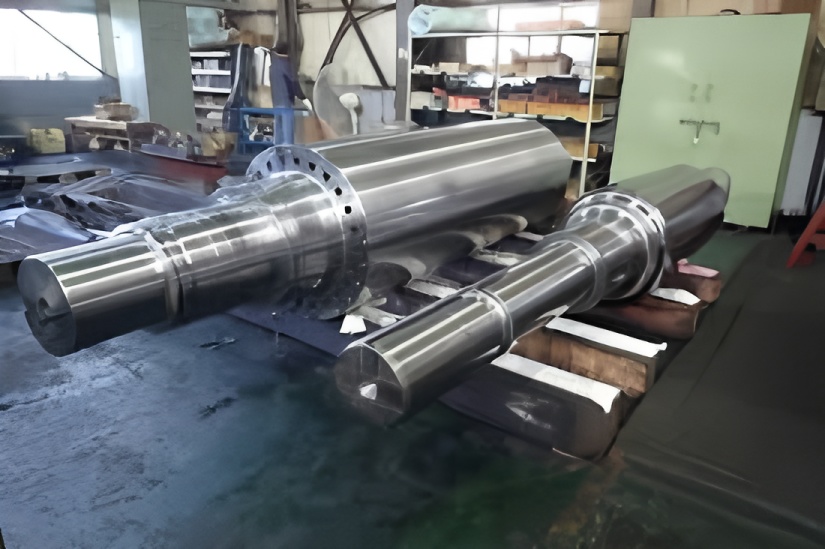
Surface Quality
The surface of the roll directly imprints onto the product. For cold-rolled sheets used in automotive or appliance applications, a mirror-like finish is required.
- Roughness (Ra): For cold finishing rolls, surface roughness may be specified as low as Ra 0.1-0.4μm.
- Roundness & Cylindricity: Deviations must be minimal, often controlled within ±0.005mm (5 microns), to prevent variations in product thickness.
Internal Quality
Internal defects like porosity, slag inclusions, or micro-cracks are unacceptable. They can act as stress concentrators, leading to catastrophic roll failure (spalling or breakage) during operation. Reputable mill roll manufacturers use non-destructive testing (NDT) methods like Ultrasonic Testing (UT) to guarantee internal soundness.
Step 4: Investigate the Supplier’s Manufacturing Process
A superior roll is the product of a superior manufacturing process. Inquire about the supplier’s capabilities.
- Manufacturing Method (Forging vs. Casting): Forged steel rolls generally offer superior mechanical properties due to a refined grain structure, making them ideal for high-stress applications. Casting can be more economical for certain roll types and larger sizes.
- Heat Treatment Process: This is a critical stage that determines the final microstructure and properties. A scientifically controlled process involving quenching, tempering, and potentially differential hardening (to create a hard surface with a tougher core) is essential. Ask for details on their furnace capabilities and process controls.
- Machining and Grinding: The final precision is achieved through machining and grinding. High-precision CNC grinders are necessary to meet tight tolerances for geometry and surface finish. The expertise in mill roll grinding is a hallmark of a quality supplier.
Step 5: The Strategic Procurement Process
A structured procurement process minimizes risk and ensures you get the best value.
1. Supplier Research and Screening
Identify potential steel mill roll manufacturers through industry exhibitions, online searches, and peer recommendations. Look for suppliers with a proven track record, such as HANI, and those who are transparent about their production capabilities and quality control. Shortlist suppliers based on their technical expertise, production capacity, and geographical location, which can impact logistics and delivery times.
2. Request for Quotation (RFQ)
Your RFQ must be detailed and unambiguous. In addition to quantity and delivery date, it should include:
Essential RFQ Checklist:
- A complete rolling mill roll drawing with all dimensions and tolerances.
- Specified material type and chemical composition range.
- Required hardness (on the body and necks) with acceptable range.
- Surface finish requirements (Ra value).
- Internal quality standards and required NDT reports (e.g., UT certificate).
- Heat treatment process details.
- Packaging and shipping requirements.
3. Sample Testing (If Necessary)
For critical applications or new suppliers, requesting a sample for testing is a prudent step. Conduct in-house tests for hardness, dimensions, and surface quality. If possible, perform a trial run on a test mill to evaluate its performance under real-world conditions, observing wear patterns and the quality of the rolled product.
4. Signing the Contract
The purchase contract is your legal safeguard. It must clearly define all specifications, quality standards, delivery schedules, payment terms, and liabilities for breach of contract. Include clauses for rejection criteria if the rolls do not meet the agreed-upon standards upon inspection.
5. Delivery and Acceptance
Upon delivery, conduct a thorough acceptance inspection. This should include:
- Visual Inspection: Check for any transport damage and verify packaging.
- Documentation Review: Ensure all required documents are present, including material certificates, heat treatment charts, and NDT reports.
- Dimensional & Hardness Checks: Use calibrated instruments to verify that the roll’s dimensions and hardness match the contract specifications.
Only after the roll passes all acceptance criteria should it be formally accepted and payment finalized. Any discrepancies should be immediately communicated to the supplier to be resolved as per the contract terms.
Conclusion: A Strategic Investment
Purchasing rolling mill rolls is not a simple commodity transaction; it is a strategic investment in your plant’s productivity and quality. By following a meticulous process of identifying needs, defining specifications, vetting suppliers, and conducting rigorous acceptance checks, you can secure high-performance rolls that deliver consistent results, minimize downtime, and provide an excellent return on investment.