
MAINTENANCE CATEGORIES
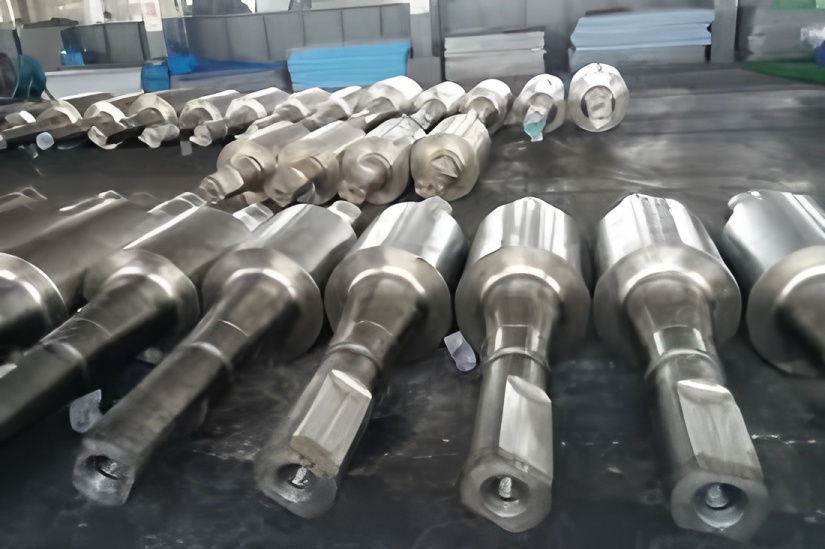
Backup roll maintenance is categorized into daily, regular, and special case processing. Daily maintenance includes surface cleaning, lubrication system checks, and operational monitoring. Regular maintenance encompasses disassembly inspection, precision testing, surface treatment, and adjustments. Special case handling covers emergency shutdowns and long-term storage maintenance. Operator training remains essential across all categories.
DAILY MAINTENANCE
Surface Cleaning
Remove accumulated metal chips, oil stains, and dust using specialized cleaning agents
Utilize appropriate tools (brushes, cloths) to maintain surface cleanliness
Prevent surface quality degradation and reduce roll wear
Lubrication System Inspection
Monitor oil levels, temperature, and pressure parameters regularly
Verify lubricant quality and sufficient supply
Check for oil leaks, pipe blockages, and address issues promptly
Operational Monitoring
Track operational sounds, vibration patterns, and temperature changes
Identify abnormalities indicating potential failures (bearing damage, uneven wear)
Implement immediate shutdown and inspection when abnormalities occur
REGULAR MAINTENANCE
Disassembly Inspection
Follow manufacturer recommendations and operational guidelines
Examine roll body for cracks, wear, and deformation
Assess roller surface wear patterns
Inspect bearings and seals for wear, replacing damaged components
Precision Testing and Adjustment
Measure diameter, cylindricity, and straightness using precision instruments
Utilize calipers, dial indicators for accurate measurements
Perform adjustments when parameters exceed tolerance ranges
Surface Treatment
Address surface oxidation and corrosion issues
Apply surface treatments (chrome plating, nickel plating) as required
Enhance surface hardness, finish quality, and corrosion resistance
SPECIAL CASE HANDLING
Emergency Shutdown Procedures
Immediate shutdown for severe vibration, abnormal noises, or smoke
Comprehensive inspection of rolls and related equipment
Identify root causes before restarting operations
Prevent further damage through proper diagnosis
Long-Term Storage Maintenance
Implement thorough cleaning and rust prevention measures
Apply anti-rust oil to roll surfaces
Use plastic film or oil paper for protective wrapping
Rotate rolls periodically to prevent bearing seizure
OPERATOR TRAINING
Skill Development
Regular training on roll structure, working principles, and operational procedures
emphasize proper operating methods and precautions
Prevent equipment damage through correct operation
Maintenance Awareness
Promote importance of maintenance through training programs
Encourage proactive problem identification and reporting
Foster team-wide participation in maintenance culture