
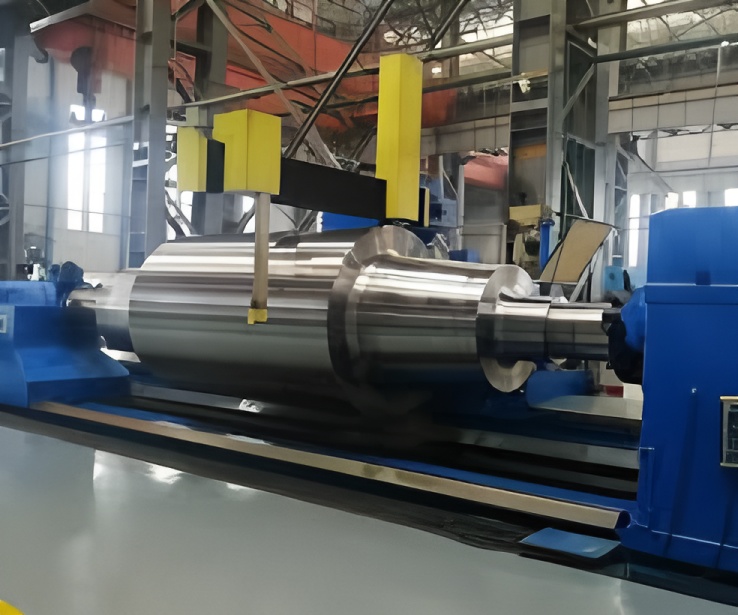
CORRECT OPERATION AND USAGE
Optimal Rolling Parameter Control
Rolling Force Management
Precisely regulate rolling force based on strip material, thickness, and width specifications
Prevent excessive pressure that causes roller deformation and fatigue damage
Implement precise pressure sensors and control systems for cold rolling applications
Example: Maintain appropriate force ranges for thin plate cold rolling to minimize wear
Speed Regulation
Adjust rolling speeds to balance production efficiency and equipment protection
Monitor friction-induced heat generation to prevent thermal deformation
Example: Set appropriate speeds for hot-rolled strip production considering steel grade and thickness
Tension Control
Maintain optimal strip tension to ensure stable operation and prevent deviation
Balance tension levels to avoid both excessive local wear and strip instability
Implement precise tension control based on strip properties and process requirements
OVERLOAD PREVENTION
Operate within rated load capacities for all backup rolls
Distribute production tasks strategically to prevent continuous overload
Implement overload protection systems for emergency situations
Example: Install automatic shutdown systems when force exceeds safety thresholds
WORKING ENVIRONMENT OPTIMIZATION
Temperature and Humidity Control
Maintain workshop temperature between 20-25°C
Regulate humidity levels at 40-60%
Implement air-conditioning systems for precision rolling operations
Install cooling systems (water cooling) for hot rolling processes
Contamination Prevention
Reduce dust through air filtration systems and regular cleaning
Ensure air cleanliness meets required standards for sensitive applications
Example: Implement high-efficiency filtration in electronic strip rolling facilities
COMPONENT AND MATERIAL SELECTION
Roller Material Specifications
Select materials based on specific rolling processes and requirements
Utilize high-chromium cast iron and alloy steel for cold rolling applications
Consider composite materials or special coatings for specialized applications
Example: Choose wear-resistant materials for high-precision electronic material processing
Bearing and Seal Quality
Select high-precision rolling bearings with superior load capacity
Choose seals with excellent oil resistance and durability
Ensure proper sealing to prevent contamination and lubricant leakage
Example: Utilize precision-machined bearings for high-speed, high-load operations