
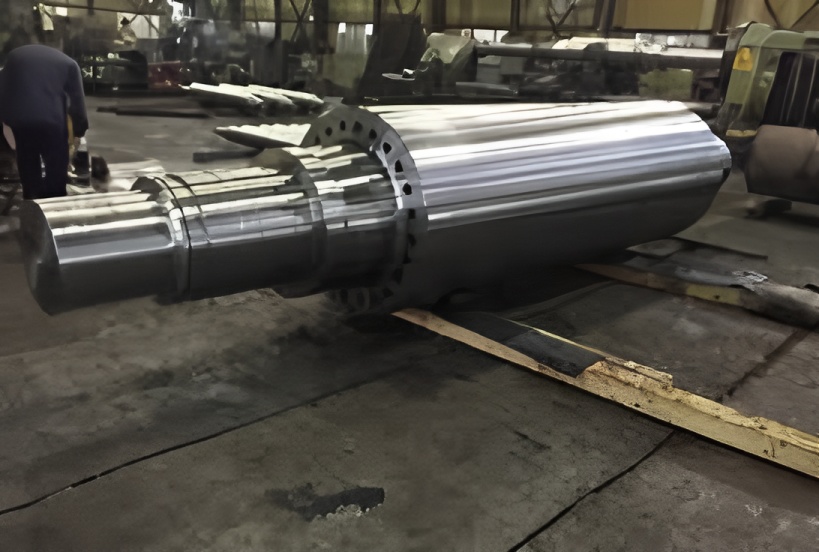
Install Sensors for Real-Time Monitoring
Pressure Sensors for Rolling Force: Install pressure sensors on the bearing seat and housing to accurately measure pressure on the strip roller during operation. Rolling force is a key indicator for detecting overload. When pressure exceeds normal operating range, the system triggers an alarm.
Torque Sensors for Drive Load: Mount torque sensors on the drive shaft or connections to monitor real-time torque during rotation. Sudden torque increases or sustained high levels indicate potential overloading.
Vibration Sensors for Equipment Health: Install vibration sensors on the roller body or bracket to monitor amplitude and frequency parameters. Abnormal vibration may signal uneven loading, bearing failure, or strip irregularities that could cause overload.
Direct Operational Observation
Strip Appearance Check: Regularly inspect strip flatness and thickness uniformity. Visible irregularities like wavy edges or warping may indicate uneven roller stress or overload conditions affecting roll shape.
Roller Surface Inspection: Conduct periodic shutdowns to examine roller surfaces for wear, scratches, or cracks. Localized damage often indicates excessive pressure points and potential overload risks.
Equipment Sound Monitoring: Listen for abnormal noises during operation. Unusual sounds, vibrations, or friction noises may suggest overloading, bearing damage, or lubrication issues.
Data Analysis and System Monitoring
Operating Parameter Collection: Utilize data acquisition systems to collect real-time operational parameters including speed, temperature, current, and voltage. Sudden current increases often indicate motor overload from roller overloading.
Comprehensive Monitoring System: Implement integrated monitoring systems to centrally display and analyze sensor data and equipment parameters. Set threshold values for automatic alerts when parameters exceed safe limits.
Data Analysis Applications: Employ analytical software to process collected data, establish operational models, and identify potential overload risks through comparative and trend analysis. For example, continuously monitoring rolling force trends can help anticipate overload conditions and enable proactive parameter adjustments.