
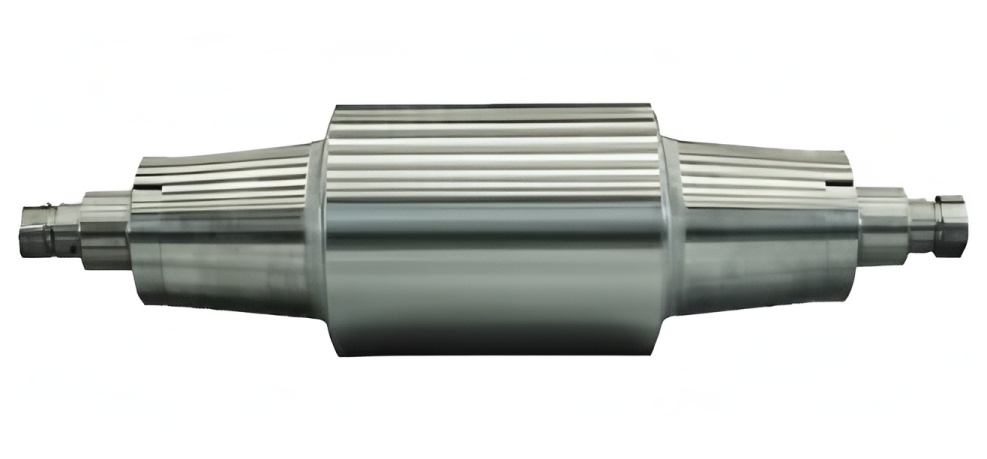
Process Characteristics of Hot Rolling, Cold Rolling and ESP Steel Coils
Reasonable Setting and Control of Rolling Parameters
Accurate Rolling Force Calculation
-
Calculate rolling forces using professional formulas before operation
-
Consider strip material (steel, aluminum, copper alloys), thickness, width, and roller specifications
-
Set calculated values precisely in mill control systems
-
Ensure forces remain within roller rated capacity
-
Use experimental rolling or computer simulation for new materials
-
Example: Conduct trial rolling for composite strips to determine optimal force settings
Optimized Speed and Tension Control
-
Select appropriate rolling speeds based on roller capacity and material characteristics
-
Reduce speeds for harder, thicker materials to minimize friction and heat
-
Follow manufacturer recommendations while incorporating quality feedback
-
Example: Start with lower speeds for hard alloy steels, gradually increasing as material thins
-
Determine tension ranges through theoretical and practical methods
-
Monitor real-time tension variations using sensors
-
Maintain stable tension through automated control systems
-
Example: Calculate optimal tension for cold-rolled aluminum strips based on dimensions
Enhanced Equipment Monitoring and Troubleshooting
Advanced Monitoring Systems
-
Install high-precision sensors for real-time performance tracking
-
Utilize pressure, displacement, vibration, and temperature sensors
-
Implement automatic alarms when parameters approach critical levels
-
Example: Pressure sensors trigger alerts when forces near rated limits
-
Analyze data trends using mathematical models
-
Predict overload risks through vibration and temperature patterns
-
Example: Identify abnormal conditions through sudden vibration increases
Prompt Incident Response
-
Activate automatic correction systems for strip deviation
-
Manual intervention when automated systems fail
-
Immediate shutdown for foreign object detection
-
Implement metal detectors and emergency stop protocols
-
Example: Clear foreign objects and inspect rollers before restarting
Scientific Production Planning
Optimized Rolling Sequences
-
Schedule production based on roller capacity and material difficulty
-
Process thinner, softer materials before thicker, harder ones
-
Example: Roll thin aluminum plates before thick steel plates
-
Use lighter loads for equipment warm-up and debugging
Balanced Equipment Utilization
-
Distribute production tasks across multiple roller sets
-
Match material specifications to appropriate mill units
-
Consider roller diameter, material, and rated capacity in task allocation
-
Example: Allocate thick and thin strip rolling to suitable mills in large workshops