
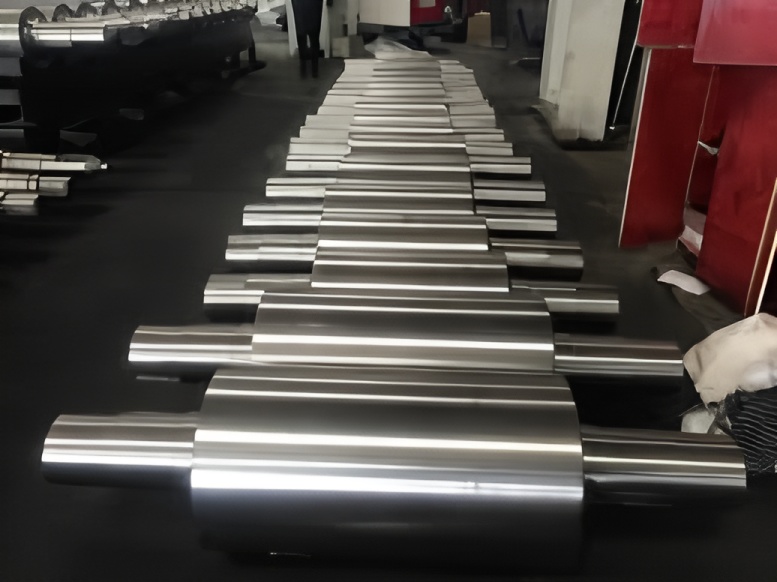
Hot rolled steel and cold rolled steel are two of the most widely used forms of processed steel in modern industry. While both originate from the same raw material—slabs or billets—their production methods, mechanical properties, and end applications differ significantly. Understanding these differences is essential for engineers, procurement specialists, and manufacturing professionals who rely on precise material selection to optimize performance, cost, and quality.
Main Uses of Hot Rolled Steel
Hot rolled steel is produced by rolling steel at temperatures above its recrystallization point (typically over 1,700°F or 927°C). This high-temperature process allows for easier deformation and shaping, making it ideal for large-scale structural applications where dimensional tolerances are less critical.
Key Applications Include:
- Structural Components: I-beams, H-beams, channels, and angle iron used in construction and infrastructure.
- Automotive Frames: Chassis parts and underbody structures that require high strength and impact resistance.
- Pipe and Tube Manufacturing: Feedstock for welded pipes used in oil, gas, and water transmission.
- Railway Tracks and Wheels: Heavy-duty components benefiting from the toughness of hot rolled products.
- Agricultural and Mining Equipment: Wear-resistant parts exposed to harsh environments.
One critical factor influencing the quality and efficiency of hot rolled steel production is the performance of hot rolling mill rolls. These rolls—often made from forged steel, high-chromium cast iron, or composite materials—must withstand extreme thermal cycling, mechanical stress, and abrasive wear. As noted in operational data from leading mills, optimizing roll changing cycles (e.g., extending roughing roll usage from 2.5–3.8 wt to 3.8–4.5 wt) can increase rolling volume by nearly 15% while maintaining surface integrity.
Main Uses of Cold Rolled Steel
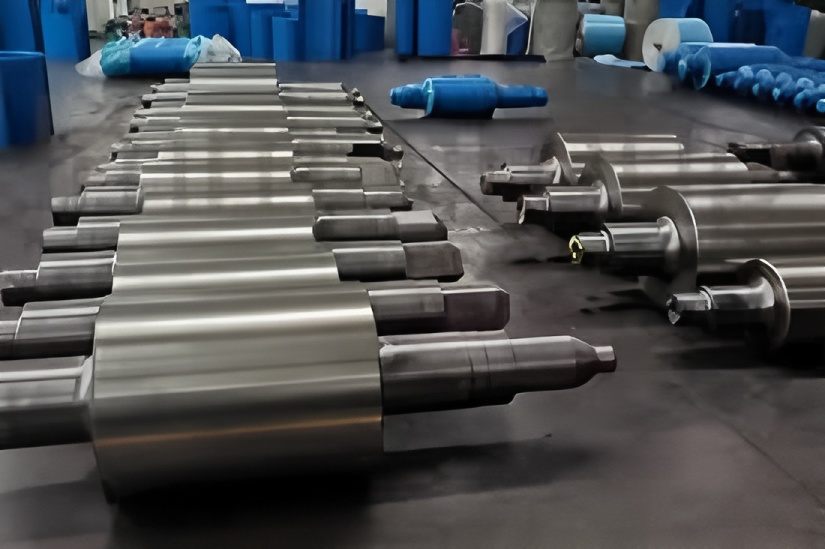
Cold rolled steel undergoes additional processing at room temperature after hot rolling and pickling. This cold reduction improves surface finish, dimensional accuracy, and mechanical strength through strain hardening. The process typically involves passing the steel through a series of cold rolling mill rolls—precision-engineered work rolls often made from forged alloy steel or tungsten carbide composites.
Primary Applications Include:
- Automotive Body Panels: Hoods, doors, and fenders requiring smooth surfaces for painting and forming.
- Appliances: Refrigerators, washing machines, and ovens where aesthetics and flatness matter.
- Electrical Enclosures and Cabinets: Components needing consistent thickness and clean edges.
- Hardware and Fasteners: Screws, brackets, and hinges benefiting from higher tensile strength.
- Precision Tubes and Bearings: Cold drawn tubes derived from cold rolled strip.
In cold rolling operations, roll quality directly impacts strip surface defects such as chatter marks, edge cracks, or roll marks. For instance, forged cold mill rolls with optimized hardness (typically 85–95 HRc for work rolls) and refined microstructure minimize spalling and extend service life. Leading manufacturers like HANI supply custom-designed rolls tailored to specific mill configurations—such as 4Hi or tandem cold mills—with precise crown profiles and chamfer geometries.
Comparative Overview: Roll Types and Material Selection
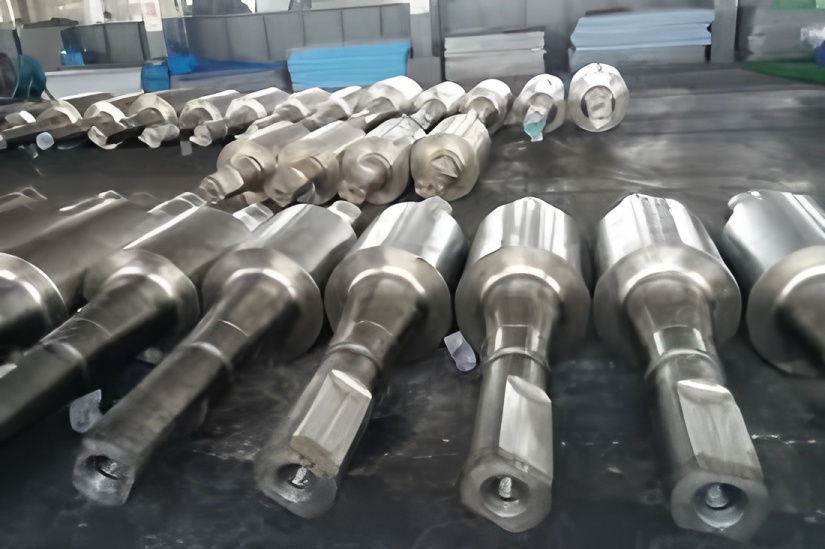
The choice between hot and cold rolled steel isn’t just about the final product—it’s deeply tied to the types of rolls used in rolling mills. Below is a technical comparison of common roll materials and their typical applications:
| Roll Type | Material Composition | Hardness (HRc) | Typical Use | Key Advantages |
|---|---|---|---|---|
| Hot Mill Work Rolls | Forged Cr-Mo-V Steel | 55–65 | Roughing & Finishing Stands (F1–F4) | High thermal fatigue resistance, good crack propagation resistance |
| Cold Mill Work Rolls | Forged High-Carbon High-Chromium Steel | 85–95 | 4Hi/Tandem Cold Mills | Exceptional surface finish, high wear resistance, minimal roll marking |
| Backup Rolls (Hot/Cold) | Forged Alloy Steel (e.g., 42CrMo4) | 40–50 | Support work rolls in 4Hi/6Hi mills | High load-bearing capacity, fatigue resistance, long service life |
| Tungsten Carbide Composite Rolls | WC-Co matrix with steel core | 88–93 | Cold rolling of stainless, silicon steel, thin gauges | Ultra-high wear resistance, dimensional stability, reduced change frequency |
Operational Best Practices for Roll Management
Maximizing roll life and minimizing unplanned downtime requires a systematic approach. Based on field data from integrated steel plants, the following strategies have proven effective:
1. Segmented Roll Changing Cycles
Instead of uniform replacement intervals, mills now implement segmented roll changing cycles based on stand-specific wear rates. For example:
- F1–F2 backup rolls: Changed every 12–15 wt
- F3–F5 backup rolls: Changed every 18–22 wt
- F6–F7 backup rolls: Changed every 25–30 wt
This approach has increased total rolling volume per roll set by up to 14.94% while reducing wave defects in thin-gauge (<0.8 mm) products.
2. Accident Response Protocols
Roll damage during incidents like stocking or steel sticking can be mitigated with proper procedures:
- Stocking Accident: Immediately stop cooling water, lift upper roll, and allow gradual cooldown. If no severe cracking, idle roll for 5–10 minutes before resuming.
- Steel Sticking: Mechanically remove adhered steel (>3 mm), then perform ultrasonic testing and hardness mapping. Grind only to defect depth—avoid over-grinding.
3. Defect-Specific Grinding Strategies
| Defect Type | Root Cause | Recommended Treatment |
|---|---|---|
| Hot Cracks (F1–F4) | Thermal shock from rapid cooling | Monitor during rolling; cracks often close naturally. Replace only if >2 mm deep or propagating. |
| Edge Peeling (Work Rolls) | Stress concentration at roll shoulders | Grind damaged zone + apply 5–8 mm chamfer. Adjust backup roll chamfer to match. |
| Backup Roll Edge Damage | Misalignment or excessive bending force | Increase chamfer length during grinding; use angle grinder for localized smoothing. |
Strategic Recommendations for Roll Procurement
Partnering with experienced mill roll manufacturers is crucial. Look for suppliers offering:
- Custom roll design based on your mill’s pass schedule and product mix
- Advanced materials like high-speed steel (HSS) or tungsten carbide for critical stands
- Full traceability: chemical composition reports, heat treatment logs, NDT certificates
- On-site technical support for roll shop optimization
For instance, transitioning F1–F3 finishing stands to high-speed steel rolls after process stabilization has shown 20–30% longer life compared to conventional high-chromium rolls in several Asian mills.
Conclusion
The distinction between hot rolled and cold rolled steel extends far beyond surface appearance—it reflects fundamentally different production philosophies, equipment requirements, and roll technology demands. By leveraging advanced rolling mill roll materials, implementing data-driven maintenance cycles, and adopting rigorous accident response protocols, steel producers can significantly reduce roll consumption, enhance product quality, and improve overall mill efficiency. Whether you operate a hot strip mill or a precision cold rolling line, investing in high-performance rolls from reputable mill roll specialists remains one of the highest-return decisions in modern steelmaking.