
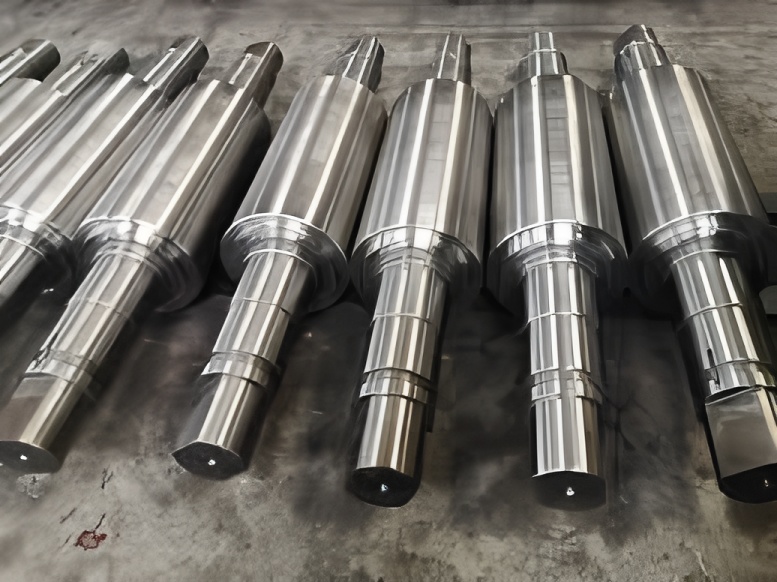
In any steel rolling mill operation, unplanned equipment stoppages or scheduled maintenance shutdowns are inevitable occurrences that require systematic handling procedures. The manner in which a rolling mill is shut down and maintained during idle periods directly impacts the longevity of critical components, particularly rolling mill rolls, and determines how efficiently production can resume. This comprehensive guide outlines essential precautions and best practices that mill operators and maintenance personnel must follow to protect valuable equipment and ensure operational continuity.
Understanding Rolling Mill Shutdown Categories
Before implementing shutdown procedures, it is crucial to distinguish between different types of production stoppages, as each requires specific handling approaches. The classification of shutdown events helps maintenance teams prioritize actions and allocate resources effectively.
| Shutdown Type | Duration | Primary Causes | Priority Actions |
|---|---|---|---|
| Emergency Shutdown | < 2 hours | Cobble, equipment failure, power outage | Immediate material removal, roll protection |
| Short-term Maintenance | 2-24 hours | Roll change, minor repairs, calibration | Lubrication maintenance, cooling system check |
| Extended Shutdown | 1-7 days | Major maintenance, roll grinding, upgrades | Full system preservation, moisture control |
| Seasonal/Long-term | > 7 days | Market conditions, facility renovation | Comprehensive preservation protocol |
Immediate Response Protocol for Unplanned Shutdowns
When an unexpected shutdown occurs during active production, the first 15 minutes are critical for preventing damage to mill rolls and associated equipment. Thermal stress, mechanical loading, and material entrapment pose immediate risks that must be addressed systematically.
⚠️ Critical First Response Steps
- Immediately cease all material feeding – Signal upstream processes to halt billet or slab entry
- Remove in-process rolling pieces – Use gas cutting equipment to section and extract material trapped between rolls
- Maintain roll rotation if possible – Slow rotation (2-5 RPM) helps prevent thermal flat spots on work rolls
- Continue cooling water flow – Maintain for minimum 10-15 minutes to ensure gradual temperature reduction
- Document the incident – Record roll positions, temperatures, and material conditions for analysis
The consequences of improper emergency shutdown procedures can be severe. When hot steel material remains in contact with stationary rolls, localized heating creates thermal gradients exceeding 200°C across the roll surface, potentially causing thermal cracking in high-chromium steel rolling mill rolls. Studies conducted by metallurgical research institutes indicate that thermal fatigue damage accounts for approximately 23% of premature work roll failures in hot rolling applications.
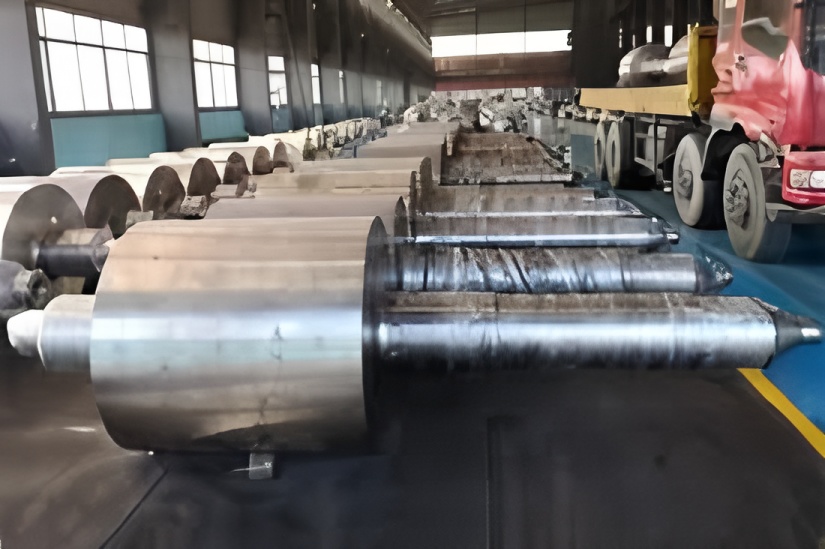
High-chromium steel rolls featuring superior wear resistance for demanding rolling mill environments
Extended Shutdown Preservation Procedures
For shutdown periods exceeding 24 hours, comprehensive preservation measures become necessary to protect the entire rolling mill system. The rolling mill roll material and associated mechanical components are particularly vulnerable to environmental degradation during idle periods.
Lubrication System Management
Prior to complete system shutdown, the lubrication system must be activated to ensure all main bearings, chocks, and sliding surfaces receive adequate protective coating. This procedure serves dual purposes: maintaining lubricant film integrity and preventing contaminant ingress during the idle period.
| Component | Lubricant Type | Viscosity Grade | Application Method | Quantity |
|---|---|---|---|---|
| Work Roll Bearings | Synthetic grease | NLGI 2 | Centralized system | 150-200g per bearing |
| Backup Roll Chocks | EP gear oil | ISO VG 320 | Oil bath circulation | Maintain level |
| Roll Neck Seals | Barrier grease | NLGI 1 | Manual injection | Until purge |
| Screw-down Mechanism | Anti-seize compound | – | Brush application | Light coating |
| Pinch Roll Assemblies | Lithium complex | NLGI 2 | Grease gun | Per schedule |
Cooling System Drainage Protocol
One of the most critical yet frequently overlooked shutdown procedures involves proper drainage of the cooling water system. In geographic regions where ambient temperatures drop below 4°C (39°F), residual water in cooling pipes, spray headers, and roll cooling channels can freeze, causing catastrophic pipe ruptures and valve damage. The expansion force of freezing water generates pressures exceeding 200 MPa, sufficient to crack cast iron manifolds and deform copper tubing.
✓ Drainage Checklist
- Main supply headers
- Roll cooling spray bars
- Bearing cooling circuits
- Inter-stand cooling loops
- Emergency quench systems
- Scale pit supply lines
⚡ Compressed Air Blow-down
After gravity drainage, use compressed air at 0.4-0.6 MPa pressure to purge remaining water from low points and horizontal runs. Continue until discharge air shows no moisture content.
Electrical System Protection
Proper isolation and protection of electrical systems requires methodical execution. After disconnecting power supplies to both the rolling mill main drives and auxiliary equipment, attention must turn to preventing moisture-related damage during the idle period.
Humidity Control Measures for Electrical Panels
Desiccant Requirements:
- Silica gel sachets: 500g per cubic meter of panel volume
- Replace or regenerate every 2 weeks
- Use indicating type (blue → pink color change)
Space Heater Guidelines:
- Low-wattage heaters (25-60W)
- Maintain panel temperature 5-10°C above ambient
- Thermostat-controlled activation
Important: Avoid completely airtight sealing of electrical enclosures. Hermetic sealing prevents moisture escape and accelerates condensation when temperature fluctuations occur. Instead, maintain slight positive pressure with filtered, dried air where available.
Roll-Specific Care During Shutdown Periods
The rolling mill rolls represent the highest-value consumable components in any rolling operation, with replacement costs for a single work roll ranging from $15,000 to $150,000 depending on material composition and dimensions. Proper care during shutdown periods directly impacts roll campaign life and surface quality performance.
High-performance rolling mill rolls manufactured with advanced metallurgical processes for extended service life
Roll Surface Preservation
For cold rolling mill rolls and finishing stand rolls where surface quality is paramount, corrosion prevention during idle periods requires immediate attention. The polished surfaces of these rolls, typically finished to Ra 0.2-0.8 μm, are highly susceptible to atmospheric corrosion and pitting.
| Roll Type | Typical Hardness (HRC) | Surface Finish (Ra) | Preservation Method | Reapplication Interval |
|---|---|---|---|---|
| Hot Mill Work Rolls | 55-72 | 1.6-3.2 μm | Light oil coating, covered storage | 7 days |
| Cold Mill Work Rolls | 62-66 | 0.2-0.5 μm | Vapor phase inhibitor, climate-controlled | 30 days |
| Backup Rolls | 45-55 | 0.8-1.6 μm | Rust preventive oil, horizontal storage | 14 days |
| Tungsten Carbide Rolls | 82-88 HRA | 0.1-0.4 μm | Clean, dry storage; no oil required | N/A |
| Forged Steel Rolls | 50-65 | 0.4-1.2 μm | Protective wax coating | 21 days |
Bearing and Chock Protection
Roll bearing assemblies, including work roll chock and backup roll bearing housings, require specific attention during extended shutdowns. The four-row tapered roller bearings typically used in rolling mill applications contain precision-ground raceways that can develop false brinelling damage if left stationary under load for extended periods.
Recommended Bearing Protection Protocol
Weekly Rotation:
Rotate rolls 90° weekly during extended storage to redistribute lubricant and prevent flat spots on bearing elements
Load Relief:
Release hydraulic screw-down pressure to minimize bearing preload during idle periods
Seal Inspection:
Check labyrinth seals for contamination ingress; re-grease neck seals if storage exceeds 30 days
Environmental Protection for Auxiliary Equipment
Beyond the primary rolling mill stands, numerous auxiliary systems require protective measures during shutdown periods. The cumulative investment in motors, gearboxes, air separation equipment, and slow-drive mechanisms often exceeds the value of the mill stands themselves.
Motor and Drive System Preservation
Main mill motors, typically ranging from 2,000 kW to 15,000 kW in hot rolling applications, incorporate sophisticated insulation systems that degrade when exposed to moisture. The standard preservation approach includes:
- Installing temporary covers over ventilation openings (not airtight)
- Activating space heaters within motor enclosures to maintain winding temperature 10°C above dew point
- Measuring and recording insulation resistance weekly (minimum acceptable: 1 MΩ per kV + 1 MΩ)
- Protecting slip ring assemblies with light oil coating on brush riding surfaces
- Covering exposed shaft extensions with corrosion-inhibiting wrap
Gearbox and Coupling Maintenance
| Component | Shutdown Action | Extended Storage Action |
|---|---|---|
| Main Gearbox | Maintain oil level, seal breathers | Add VCI additive, rotate monthly |
| Spindle Couplings | Clean and inspect liners | Re-grease splines, wrap exposed sections |
| Pinch Roll Drives | Standard lubrication | Seal gear openings, moisture protection |
| Roller Table Motors | Disconnect power, cover openings | Heater activation, weekly IR testing |
Pre-Restart Inspection Checklist
Before resuming production after any shutdown period exceeding 48 hours, a systematic inspection process ensures safe and efficient restart. Rushing this process frequently leads to early failures, quality defects, and safety incidents.
✅ Rolling Mill Restart Verification Checklist
Mechanical Systems:
- □ Roll alignment verification
- □ Roll gap calibration
- □ Bearing clearance check
- □ Coupling inspection
- □ Hydraulic system pressure test
- □ Screw-down mechanism function
Lubrication Systems:
- □ Oil levels in all reservoirs
- □ Filter condition assessment
- □ Pump operation test
- □ Flow to all lubrication points
- □ Grease line purge
- □ Oil analysis (extended shutdown)
Cooling Systems:
- □ Refill cooling circuits
- □ Leak inspection under pressure
- □ Spray pattern verification
- □ Water treatment check
- □ Pump and valve operation
- □ Temperature control calibration
Electrical Systems:
- □ Insulation resistance testing
- □ Control system boot-up
- □ Safety interlock verification
- □ Drive system test run
- □ Sensor calibration check
- □ Communication network test
Common Shutdown Mistakes and Prevention
Analysis of rolling mill maintenance records reveals recurring patterns of shutdown-related failures that proper procedures could prevent. Understanding these common errors helps maintenance teams avoid costly mistakes.
| Common Mistake | Consequence | Prevention Measure |
|---|---|---|
| Leaving cooling water in pipes | Pipe rupture, spray bar damage | Complete drainage with air purge |
| Hermetically sealing electrical panels | Condensation, insulation failure | Desiccants + space heaters |
| Ignoring roll surface protection | Corrosion pitting, quality defects | Immediate rust preventive application |
| Leaving rolls under load | Bearing brinelling, flat spots | Release screw-down pressure |
| Skipping pre-startup lubrication | Bearing damage on restart | Full lubrication cycle before starting |
| Rapid shutdown without material removal | Thermal damage to rolls | Emergency material extraction procedure |
Economic Impact of Proper Shutdown Procedures
Implementing comprehensive shutdown procedures requires additional time and resources, but the return on investment is substantial. Industry data suggests that proper preservation practices can reduce restart-related failures by 60-75% and extend the service life of critical components by 15-25%.
68%
Reduction in post-shutdown bearing failures with proper preservation
23%
Average extension in roll campaign life through proper idle care
4.2 hrs
Faster restart time with systematic pre-start verification
Conclusion
Proper shutdown procedures represent a critical aspect of rolling mill management that directly impacts equipment longevity, maintenance costs, and production efficiency. Whether facing an emergency stoppage or planned maintenance period, following systematic preservation protocols protects the significant investment in rolling mill rolls, bearings, electrical systems, and auxiliary equipment.
The key principles—immediate material removal, proper lubrication maintenance, cooling system drainage, humidity control for electrical systems, and roll surface preservation—form the foundation of effective shutdown management. Steel producers who implement these practices consistently report smoother production resumption, enhanced mill roll performance, and significantly reduced restart-related failures.
HANI Metallurgy – Your Partner in Rolling Mill Excellence
HANI provides comprehensive solutions for rolling mill maintenance, operational optimization, and high-quality rolling mill rolls designed for extended service life. Our technical team offers expertise in shutdown planning, preservation procedures, and restart optimization to help steel producers maximize equipment availability and product quality. Contact us for customized support tailored to your specific rolling mill configuration and operational requirements.