
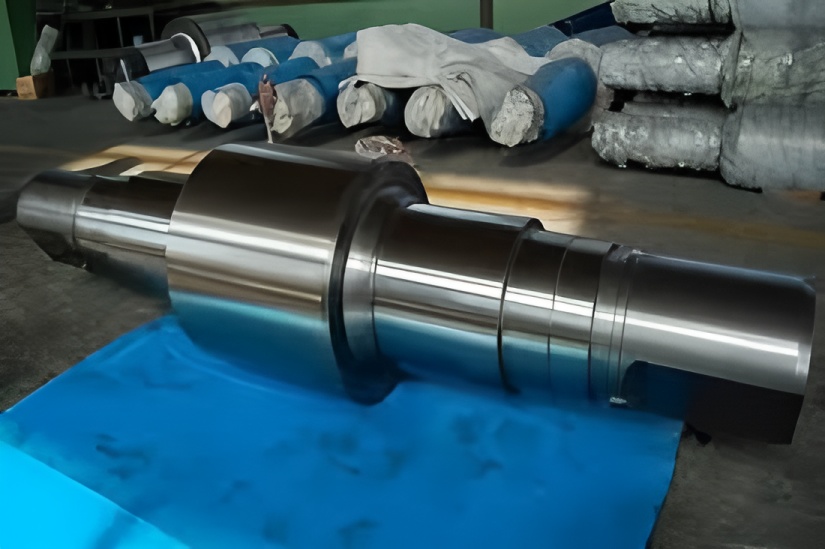
PRE-INSTALLATION PREPARATION
Roller Inspection
Examine roller surfaces for defects including bumps, scratches, and pitting
Address surface imperfections that could transfer to finished products
Verify neck dimensions and surface roughness meet specifications
Ensure proper fit with bearings and other components
Example: Deep scratches require remediation before installation
Parameter Verification
Confirm roll dimensions (diameter, length) match mill specifications
Ensure proper rolling force distribution and thickness control
Verify material composition and hardness requirements
Select appropriate roll grades for specific processes
Example: Higher hardness rolls for cold-rolled thin sheet production
INSTALLATION PROCEDURES
Cleaning Protocol
Thoroughly clean mill mounting surfaces and roll bodies
Remove oil stains, metal chips, and other contaminants
Prevent foreign material ingress in bearings and mating surfaces
Bearing and Seal Installation
Follow equipment manuals for proper bearing installation
Utilize heating methods for precision fits when required
Achieve micron-level accuracy in high-precision applications
Install seals using appropriate compounds and sequences
Ensure effective lubricant retention and contamination exclusion
Positioning and Alignment
Use proper lifting equipment for roll placement
Maintain horizontal and vertical alignment during installation
Verify alignment using precision levels and instruments
Tighten connecting bolts to specified torque values
Prevent operational loosening and maintain positioning
OPERATIONAL GUIDELINES
Lubrication Management
Select lubricants based on operational speed and load conditions
Implement scheduled lubrication intervals and quantities
Example: Regular lubrication in continuous production environments
Utilize high-quality synthetic lubricants for high-speed applications
Parameter Adjustment
Adjust rolling forces according to material specifications
Consider thickness, width, and material characteristics
Avoid exceeding roll load capacities
Maintain proper strip tension for stable operation
Example: Tension control for aluminum strip flatness
Operational Monitoring
Utilize sensor systems for real-time performance tracking
Monitor vibration, temperature, and speed parameters
Address temperature anomalies indicating lubrication issues
Observe strip quality for roll performance indicators
Example: Identify roll wear through dimensional variations
MAINTENANCE PROTOCOLS
Regular Inspection
Conduct comprehensive roll surface examinations
Assess bearing wear and clearance conditions
Verify seal effectiveness and connection integrity
Example: Scheduled inspections after specified production volumes
Repair and Replacement
Employ turning and grinding for minor surface restoration
Achieve required dimensional accuracy and surface finish
Replace severely damaged rolls when repair is impractical
Implement proper storage or disposal for replaced components
Example: Precision grinding for localized wear patterns