
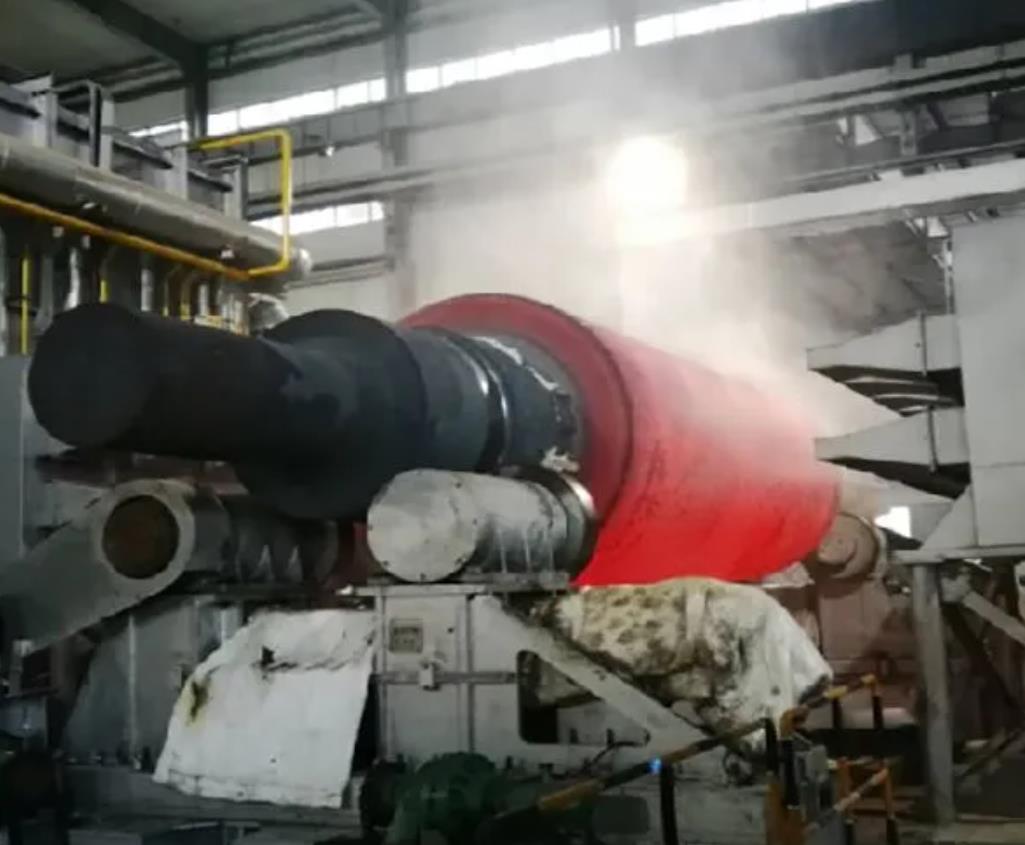
Why Proper Care Matters for Support Rollers
Maintaining mill rolls (commonly called backup rolls) is crucial for achieving consistent production quality while minimizing unexpected breakdowns. Properly maintained support rollers help increase operational efficiency by up to 30% while reducing surface defects in finished steel products.
Key Maintenance Objectives
Keep operational downtime below 2% monthly
Maintain surface defect rates under 0.5%
Extend service life by 20-40% through preventive care
Essential Maintenance Practices
Daily Inspection Checklist
Perform these checks during shift changes:
Visual inspection for cracks or abnormal wear patterns
Lubrication system verification (oil levels/pressure)
Cooling system performance monitoring
Precision Maintenance Schedule
| Frequency | Task |
|---|---|
| Weekly | Bearing clearance checks |
| Quarterly | Full geometric accuracy testing |
| Annual | Complete component overhaul |
Advanced Care Strategies
Surface Restoration Techniques
Professional grinding services can restore 92% of worn backup rolls to original specifications. Combine with:
Laser alignment verification
Dynamic balancing tests
Micro-polishing surface treatments
Risk Mitigation Protocol
Implement these safeguards for mill roll protection:
Moisture-controlled storage during downtime
Emergency response plan for roll failures
Real-time vibration monitoring systems
Optimizing Maintenance Resources
Tooling Requirements
Equip your team with:
Laser measurement devices (±0.001mm accuracy)
Ultrasonic thickness gauges
Automated lubrication systems
Staff Training Priorities
Advanced diagnostic techniques
Predictive maintenance software use
Failure mode analysis training
Disassembly and Assembly of Bearing Seat for Support Rollers
Backup roll surface defect prevention、Mill roll lifespan extension techniques、Support roller alignment procedures、Backup roll grinding service providers、Industrial roller maintenance schedules