
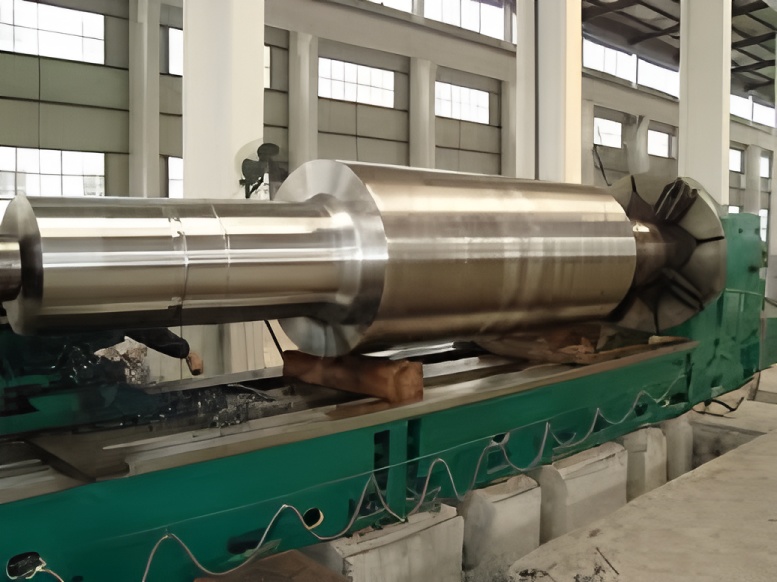
DAILY INSPECTION
Visual Inspection
-
Examine roller surfaces before and after each operation
-
Identify wear patterns, scratches, pitting, or corrosion damage
-
Address minor scratches promptly with appropriate grinding tools
-
Example: Special attention required after processing corrosive materials
-
Check bearing seats and seals for lubricant leakage
-
Replace seals immediately if leakage detected
Operational Parameter Checks
-
Monitor operational temperatures through installed sensors
-
Maintain temperatures within specified operational ranges
-
Investigate overheating causes (poor lubrication, bearing damage, overload)
-
Utilize vibration sensors to detect abnormal patterns
-
Identify imbalance, bearing wear, or loose connections
-
Example: Perform balancing when vibration exceeds specified limits
REGULAR CLEANING
Surface Cleaning
-
Remove accumulated dust, oil, and metal particles regularly
-
Use clean cloths or specialized cleaning tools
-
Employ compatible solvents for stubborn contaminants
-
Clean bearing housings and seal areas to prevent contamination
-
Maintain seal integrity and prolong service life
Internal Cleaning (When Applicable)
-
Disassemble bearings for internal cleaning as needed
-
Use specialized cleaning equipment and solutions
-
Ensure complete drying before re-lubrication and reassembly
LUBRICATION MANAGEMENT
Lubricant Selection
-
Choose lubricants based on operating environment, speed, and load
-
Select high-temperature grease for heated applications
-
Use low-viscosity lubricants for high-speed operations
-
Verify material compatibility with roller components
Lubrication Intervals and Quantities
-
Establish lubrication schedules based on operational intensity
-
Shorten intervals for harsh environments and continuous operation
-
Example: Daily lubrication in continuous production facilities
-
Maintain optimal lubricant quantities to prevent under/over-lubrication
-
Follow manufacturer recommendations for specific quantities
WEAR REPAIR AND REPLACEMENT
Wear Restoration
-
Employ grinding for minor surface imperfections
-
Use turning operations for more significant wear patterns
-
Combine turning and grinding for optimal surface restoration
-
Reapply specialized coatings (e.g., Teflon) where required
-
Select coating types based on specific operational needs
Replacement Criteria and Procedures
-
Replace rollers when wear exceeds repairable limits
-
Monitor strip quality indicators for replacement timing
-
Follow equipment manuals for proper installation
-
Verify alignment and mating accuracy during installation
-
Conduct post-installation testing and debugging