
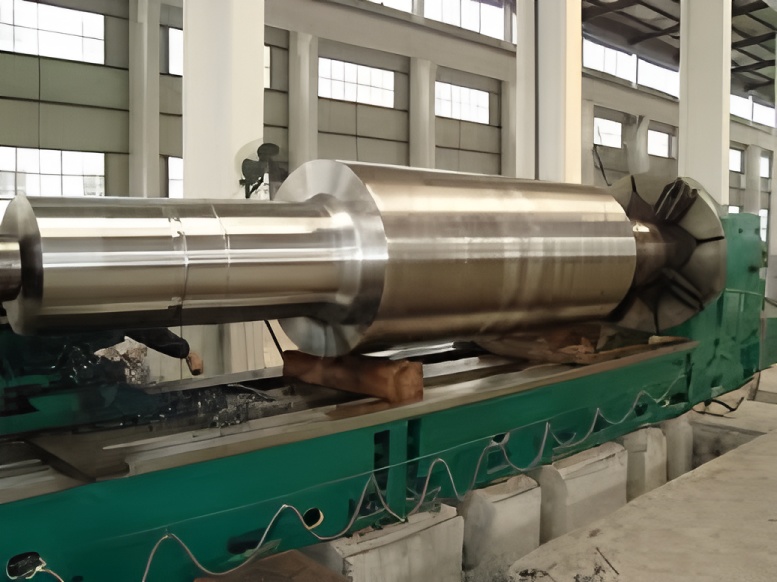
DAILY INSPECTION
Visual Inspection
Examine roller surfaces before and after each operation
Identify wear patterns, scratches, pitting, or corrosion damage
Address minor scratches promptly with appropriate grinding tools
Example: Special attention required after processing corrosive materials
Check bearing seats and seals for lubricant leakage
Replace seals immediately if leakage detected
Operational Parameter Checks
Monitor operational temperatures through installed sensors
Maintain temperatures within specified operational ranges
Investigate overheating causes (poor lubrication, bearing damage, overload)
Utilize vibration sensors to detect abnormal patterns
Identify imbalance, bearing wear, or loose connections
Example: Perform balancing when vibration exceeds specified limits
REGULAR CLEANING
Surface Cleaning
Remove accumulated dust, oil, and metal particles regularly
Use clean cloths or specialized cleaning tools
Employ compatible solvents for stubborn contaminants
Clean bearing housings and seal areas to prevent contamination
Maintain seal integrity and prolong service life
Internal Cleaning (When Applicable)
Disassemble bearings for internal cleaning as needed
Use specialized cleaning equipment and solutions
Ensure complete drying before re-lubrication and reassembly
LUBRICATION MANAGEMENT
Lubricant Selection
Choose lubricants based on operating environment, speed, and load
Select high-temperature grease for heated applications
Use low-viscosity lubricants for high-speed operations
Verify material compatibility with roller components
Lubrication Intervals and Quantities
Establish lubrication schedules based on operational intensity
Shorten intervals for harsh environments and continuous operation
Example: Daily lubrication in continuous production facilities
Maintain optimal lubricant quantities to prevent under/over-lubrication
Follow manufacturer recommendations for specific quantities
WEAR REPAIR AND REPLACEMENT
Wear Restoration
Employ grinding for minor surface imperfections
Use turning operations for more significant wear patterns
Combine turning and grinding for optimal surface restoration
Reapply specialized coatings (e.g., Teflon) where required
Select coating types based on specific operational needs
Replacement Criteria and Procedures
Replace rollers when wear exceeds repairable limits
Monitor strip quality indicators for replacement timing
Follow equipment manuals for proper installation
Verify alignment and mating accuracy during installation
Conduct post-installation testing and debugging